

Away Game: Ragusa, Sicily
You never forget your first super antipasto plate


Away Game is a format that showcases journeys as they unfold. Live dispatches from unfamiliar places. Notes, stories, and reflections on the thrill of discovery. Mostly photos, with some shorter-form writing intertwined.
Away Game: Ragusa, Sicily
It’s been a while since I’ve felt this far off the grid. I woke up late for the third day in a row, and the sun is already scorching. I usually get stressed when I feel like I’m not making the most of my travels. But my usual drive to seize the day has completely given way to slow Italian living.
This part of Italy, tucked away in the southeast corner of Sicily, feels distinctly remote. It’s remarkably quiet. We have no neighbors. The rolling hills extend for miles until they meet the turquoise seaside. Nothing here commands my attention — there’s nowhere I feel like I need to be, and nothing I feel like I should be doing.
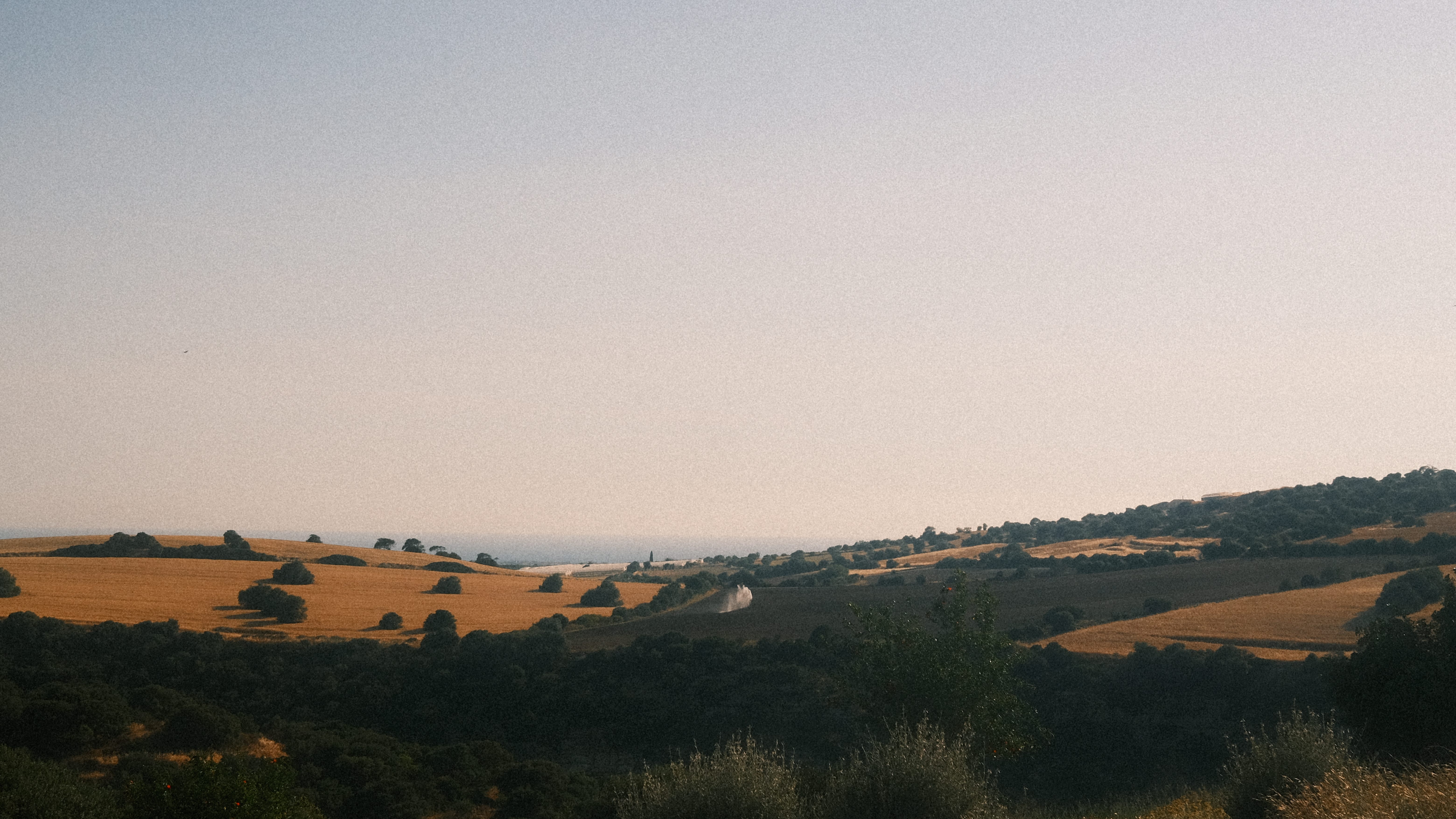
Sicily has been on my travel wish list since I was a little kid. My great-grandfather Giuseppe grew up in a small town, San Pier Niceto, outside Messina. Experiencing the region where your ancestors are from is a little disorienting, but simultaneously grounding. It reminds me of how many stars needed to align for me to be here today.
In practice, slow living in Sicily has meant plenty of time by the pool, extremely competitive backgammon tournaments, single shots of espresso over ice at, like, 3 in the afternoon, shopping like a local at the farmers’ markets, and venturing into small towns for a change of scenery. The days blend together, and the hours melt away.
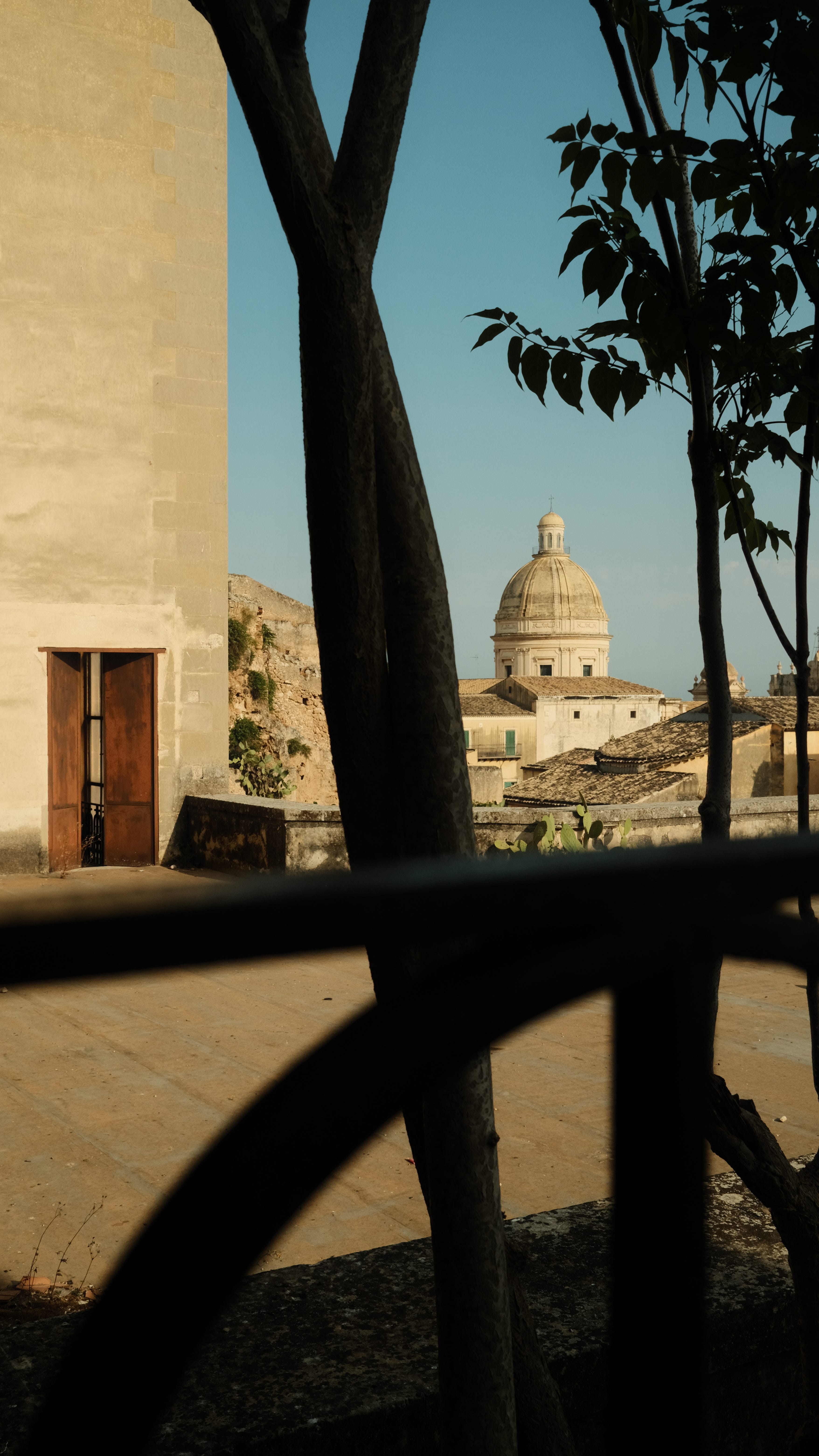
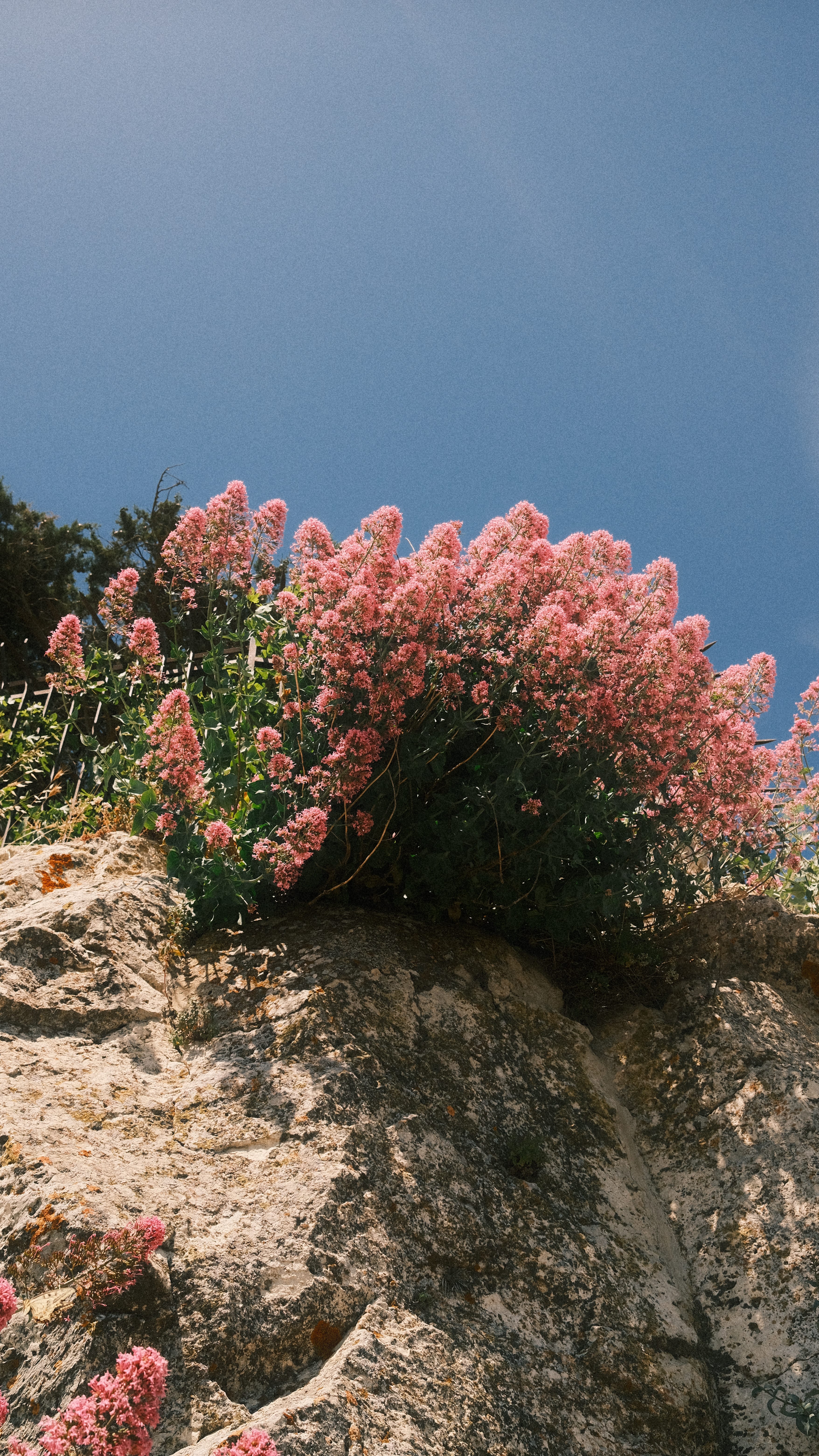
Like last year in Puglia, the culinary highlights of the trip have mostly been meals cooked at home. That’s partially because I get a genuine thrill from procuring and utilizing such incredible ingredients, which are plentiful in this part of the world. But primarily because I’ve found most Sicilian restaurants a bit underwhelming. Every good meal has come from a place I scouted in advance and deliberately sought out, which isn’t a bad thing; it just means stopping into restaurants on a whim tends to be a bad move.
But not once have I regretted stopping by a market…
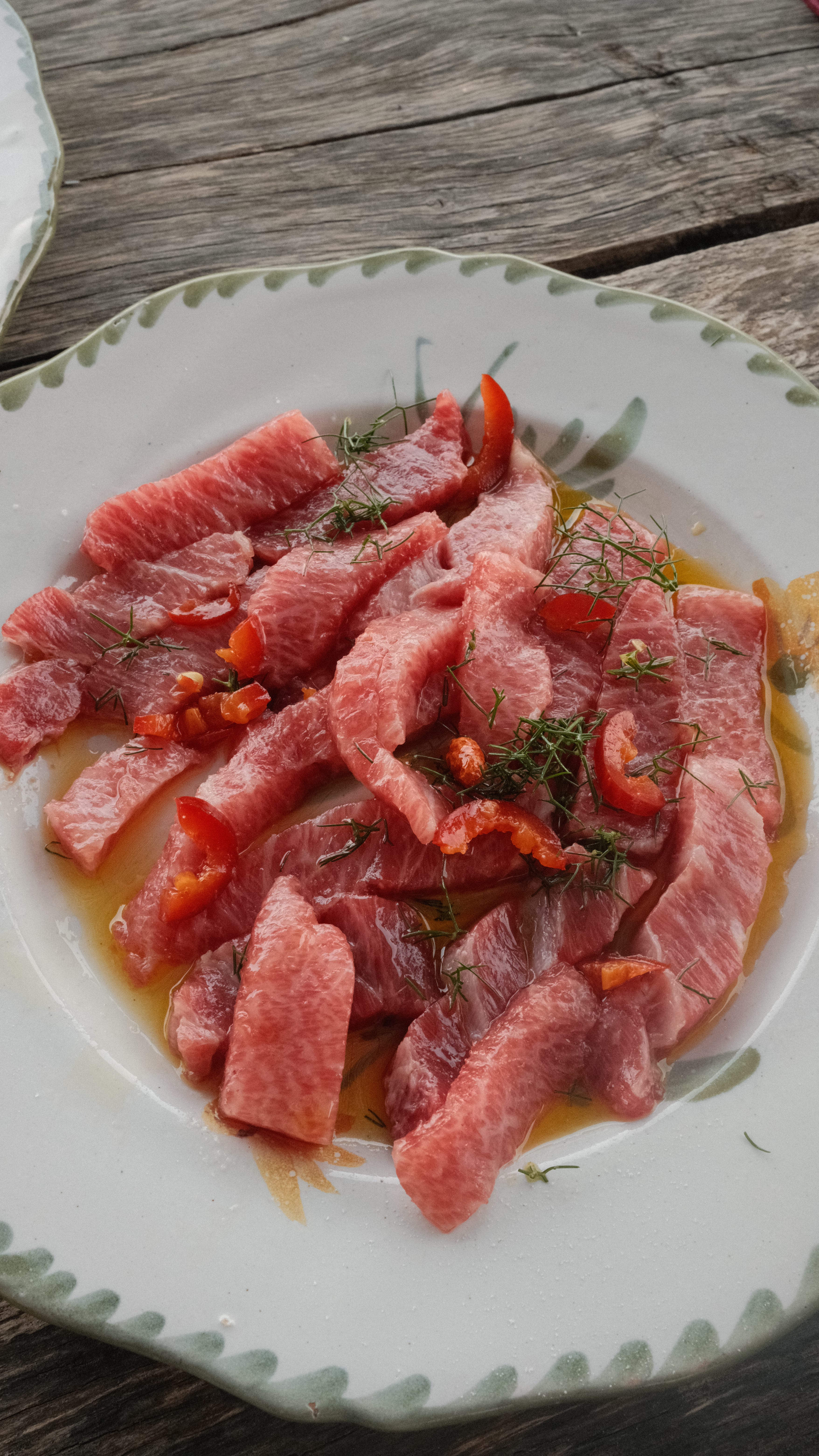
My dad came across beautifully marbled tuna belly at the Marina di Ragusa farmers market. We sliced it, dressed it in Calabrian chile oil, and hit it with thyme from the garden. It was fresh, fatty, and spicy — an outrageously good aperitivo hour snack.
At the bottom of a winding ridge leading to Scicili, there’s a proper butcher shop, La Genuina Macelleria, that has everything you could want and more. Big steaks, lamb skewers, salami hanging from the ceiling, fresh mozzarella, fried-to-order arancini. The butcher almost sold us on a kilo of horse meatballs, but we held our ground. We brought home our bounty and cooked over an open fire as the sun set over the hills.
There’s another solid butcher shop, Negozio Della Carne, in Ragusa — stock up on spicy sausage and golden chicken thighs, grab an espresso at Caffè Italia down the street, and carry on with your day.
The restaurants I went out of my way for — three in particular — were all quite good.
On the first night, we sat on the terrace at Accursio Radici in Modica, where every dish that hit the table was perfectly done. Fried spaghetti pomodoro was bright, punchy, and texturally so interesting. Tagliatelle came in a hearty, creamy rabbit ragù. Seared tuna with caponata rounded out the meal — a surprising winner.
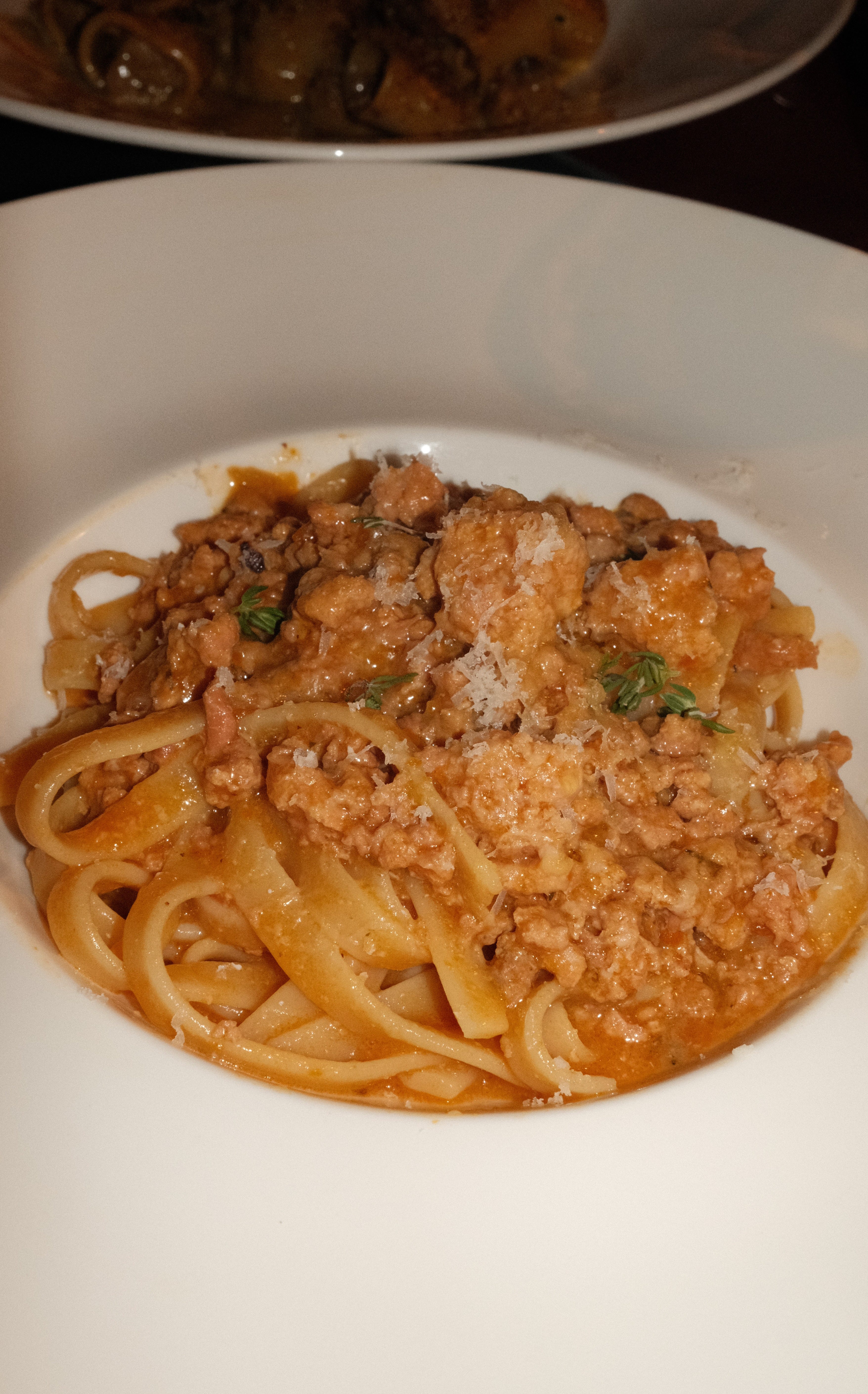
After wandering through Noto at golden hour, we settled into the courtyard at Manna, hidden away on the outskirts of town. Manna was the most well-rounded dining experience — charming servers dressed in chore coats, strong Negronis in sturdy glasses, and dishes that weren’t afraid to push boundaries. Tender veal cheek over a crisp potato patty with pickled red onions was the runaway winner.
The most memorable meal, and the place I’d send anyone reading this, came on the drive from Ragusa up to Cefalù. A slight detour off the main highway, there’s a quaint town perched on a cliff — Petralia Soprana. Down an alley, where the only noise comes from a bubbling fountain, sits Trattoria da Salvatore.
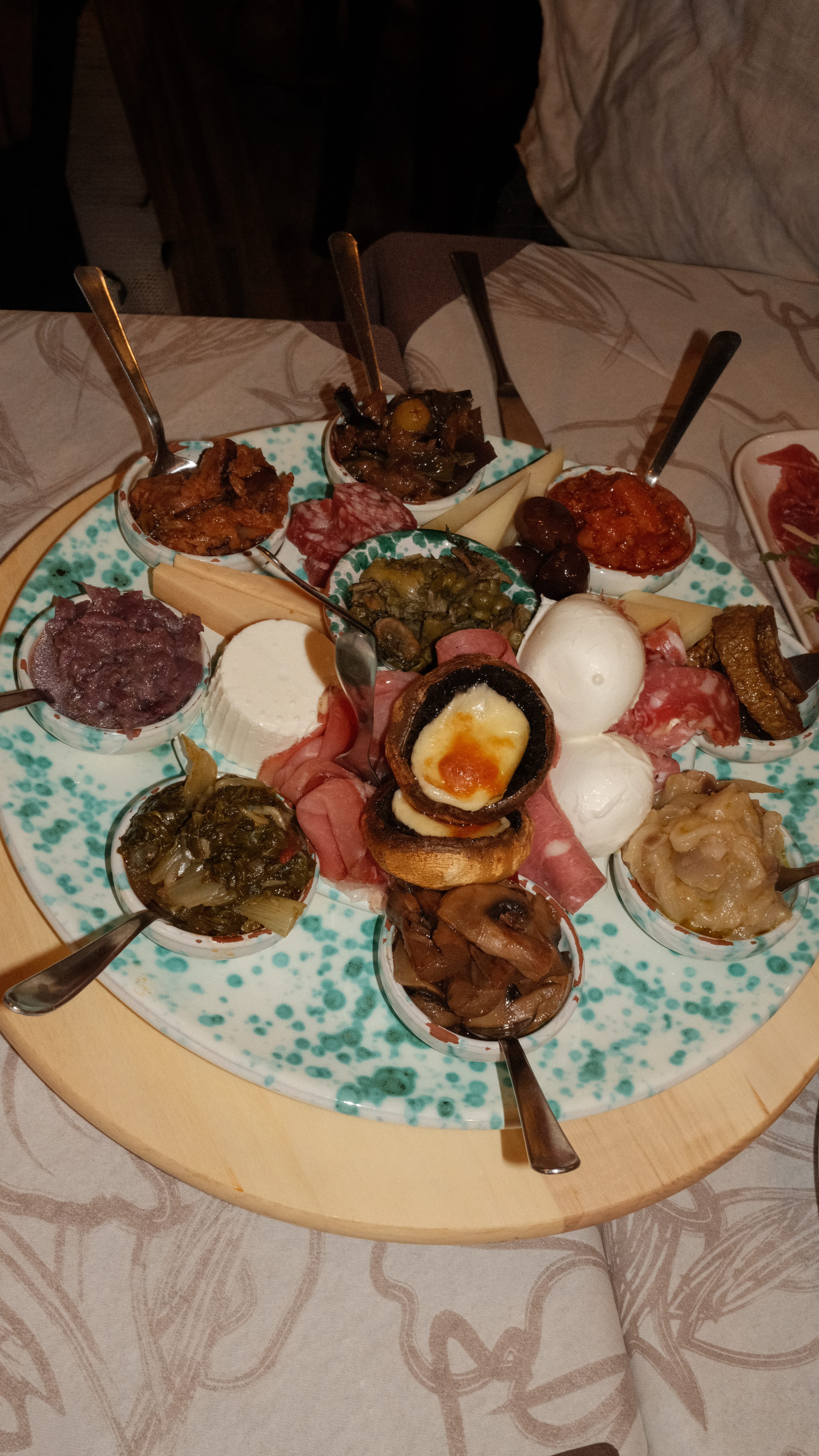
Trattoria da Salvatore’s “super antipasto rustico” was a showstopping tray of marinated vegetables, cured meats, and cheese. Placed on a lazy susan in the middle of the table — we’d spin the plate, take a scoop of veg, and spread it on crispy garlic bread. Each ramekin of veg seemed to be more flavorful than the last. I could crush this platter for lunch once a week for the rest of my life.
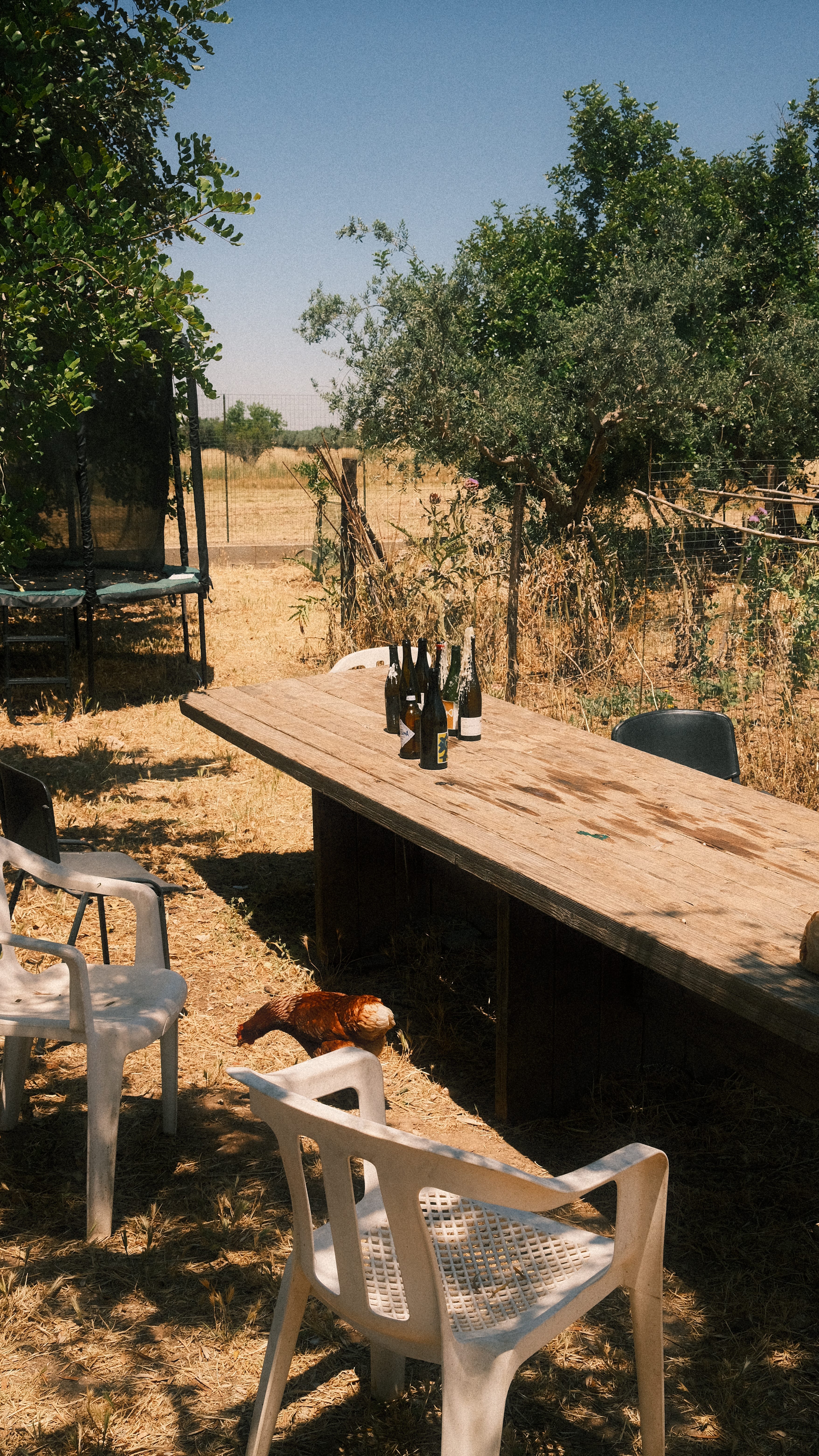
I came across Azienda Agricola Kalma, a Sicilian winery, through Super Glou while I was prepping for the trip. I reached out on IG, hoping to visit, and received a kind response: “We don’t do formal tastings, but we love meeting people who care about the same things we do. Let us know when you make it to Sicily.”
About 30 minutes north of Ragusa, down a narrow farm road, we pulled up to the front gates. Nikolas and Waiata, the Kalma duo, and their German shepherds excitedly came out to greet us.
Nikolas hails from Germany, and Waiata from New Zealand. The two met several years ago while working at COS, one of Sicily's major winemakers. Now, they have a small vineyard of their own.
After a quick tour, it became clear that Kalma, the winery, was also their home. There was a basketball hoop in the front, and a trampoline in the back. Artwork from their kids was hanging just inside the front door (and also on the label of Kalma’s “Lifasi”).
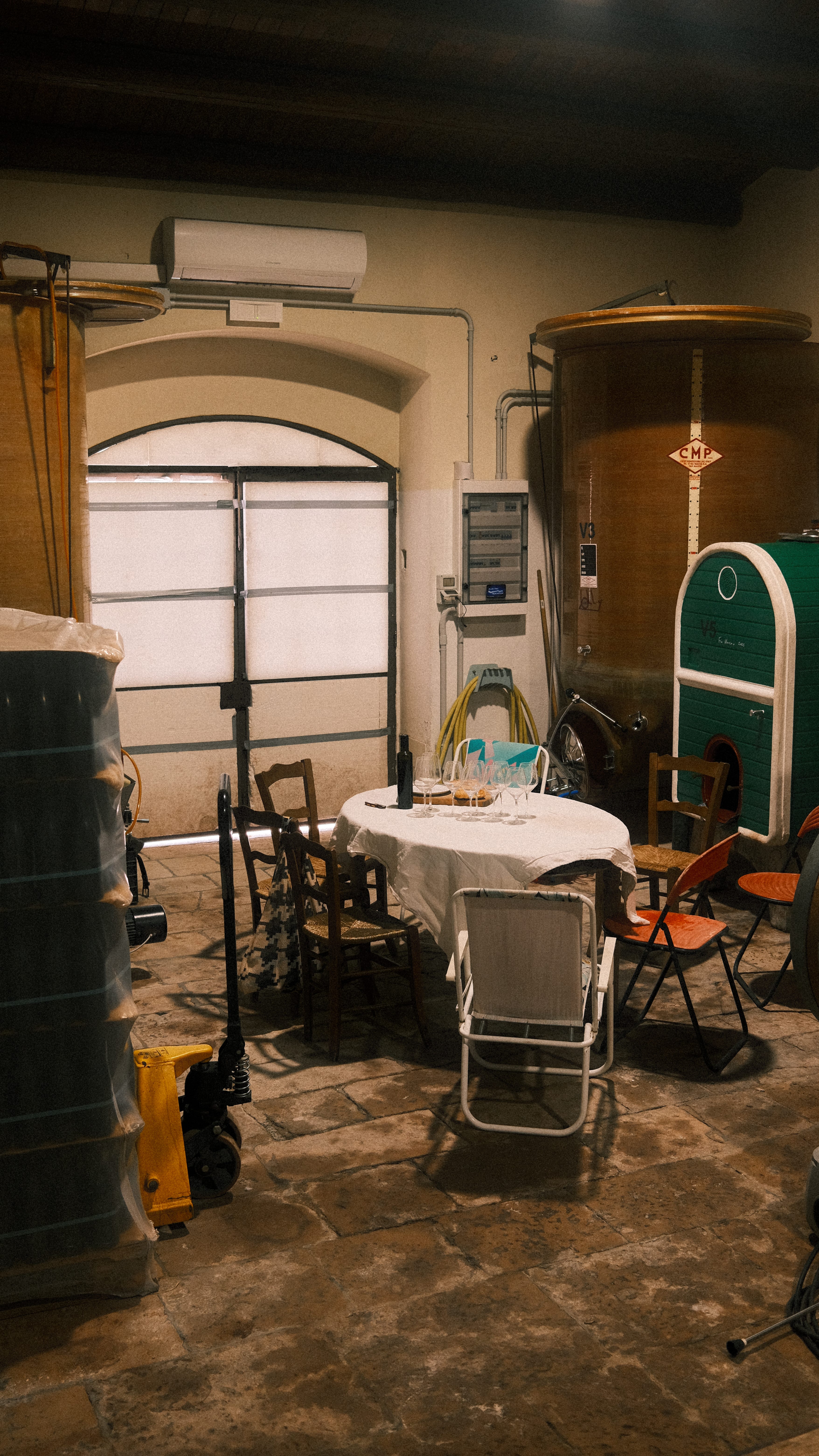
We settled into the cellar and huddled around a wooden table dressed with a linen tablecloth, a loaf of crusty bread, and a shallow dish of olive oil.
Waiata talked us through their operation. Kalma produces about 10,000 bottles of wine per year with minimal intervention, but plenty of precision. Grapes are crushed by foot, and the product is bottled by hand. It’s an operation filled with passion and a deep respect for the land.
Every bottle we sampled was worth getting excited about. Bright, expressive, drinkable, and delicious wines that were full of personality — much like the couple producing them. Waiata has the rare ability to make even the technical side of wine feel fascinating — to the point where I could listen to her speak uninterrupted for hours.
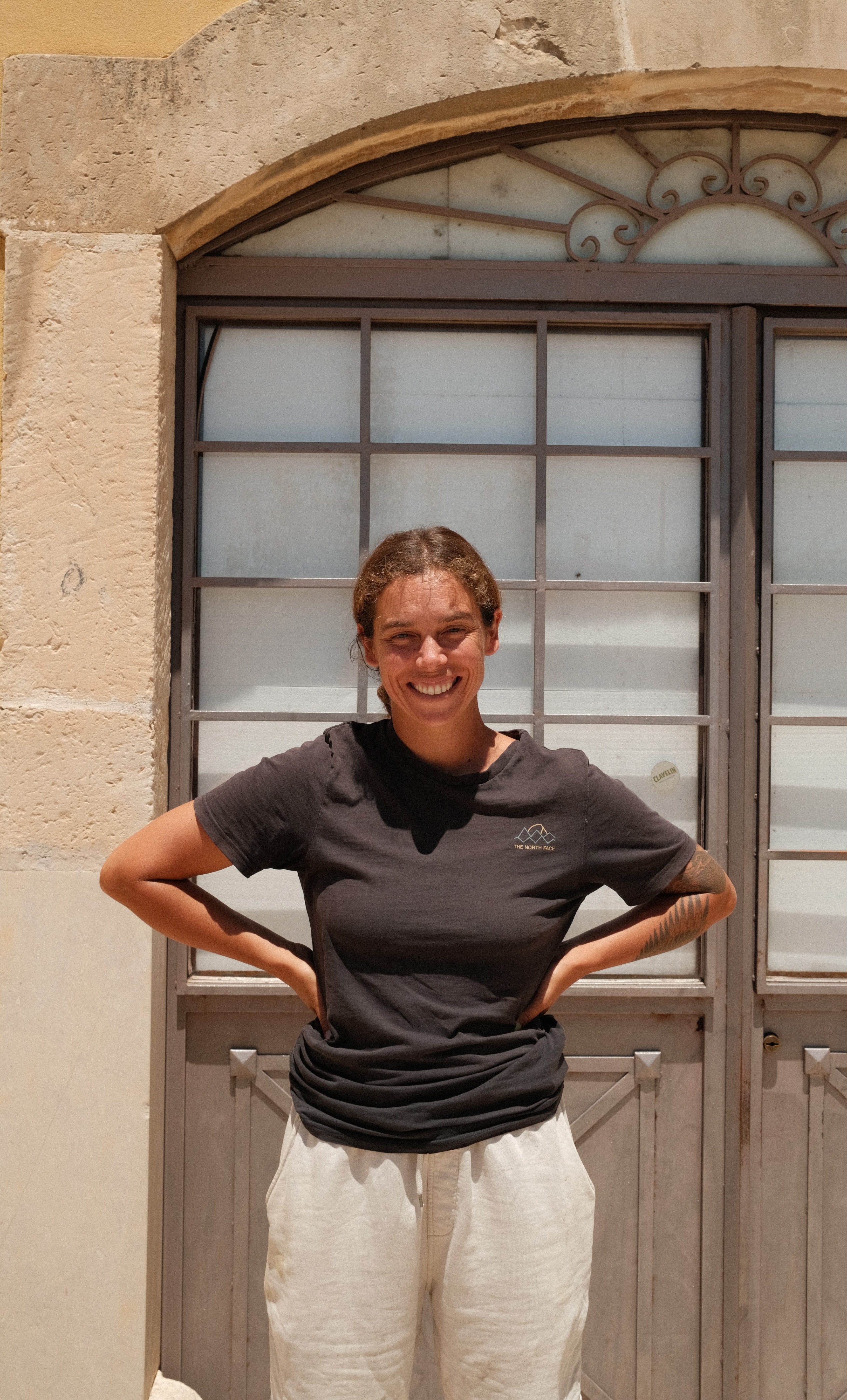
Remarkably, about 1,000 of Kalma’s bottles make their way to New York (thanks to Super Glou). I will be buying as many of them as I can.
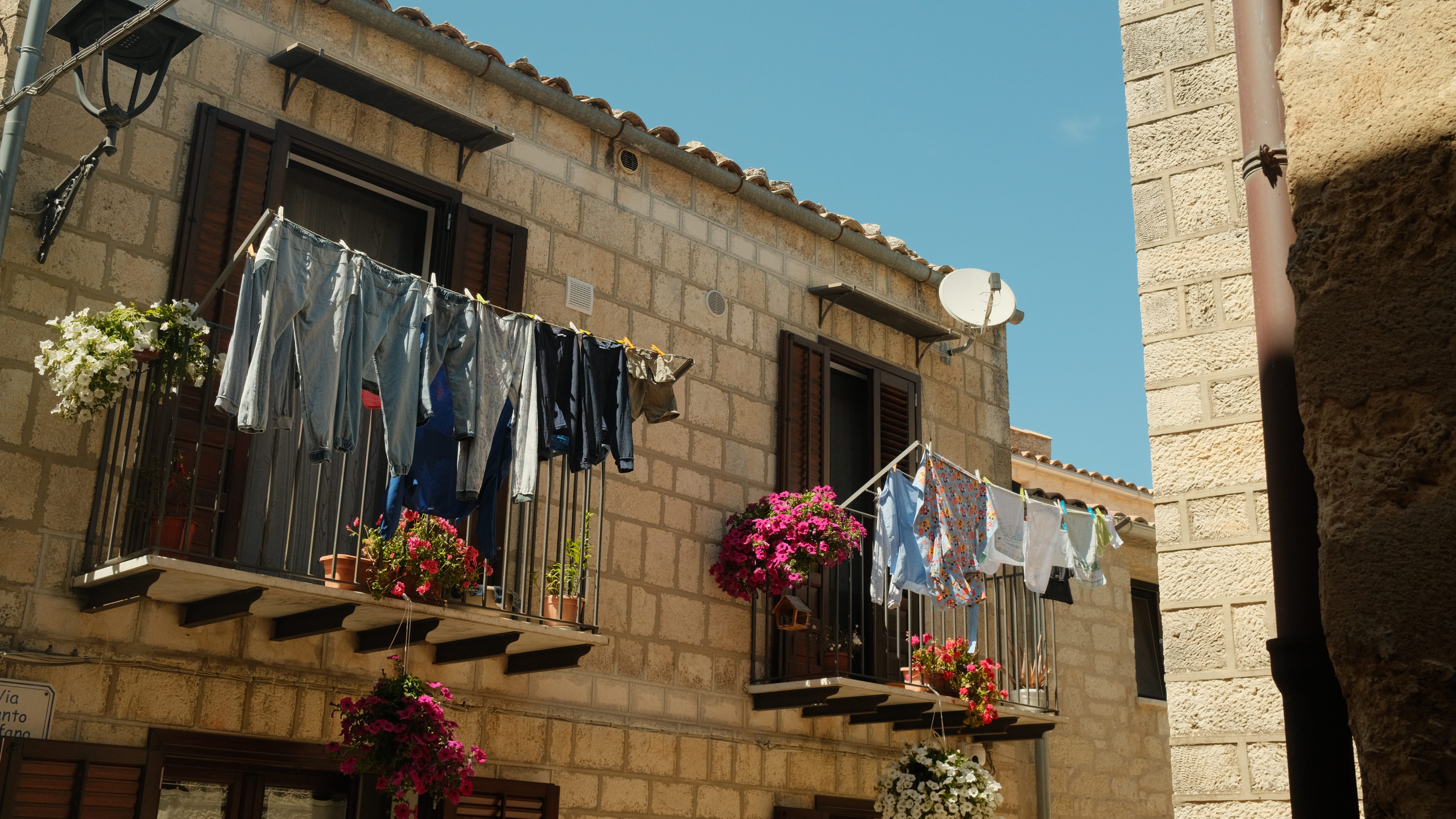
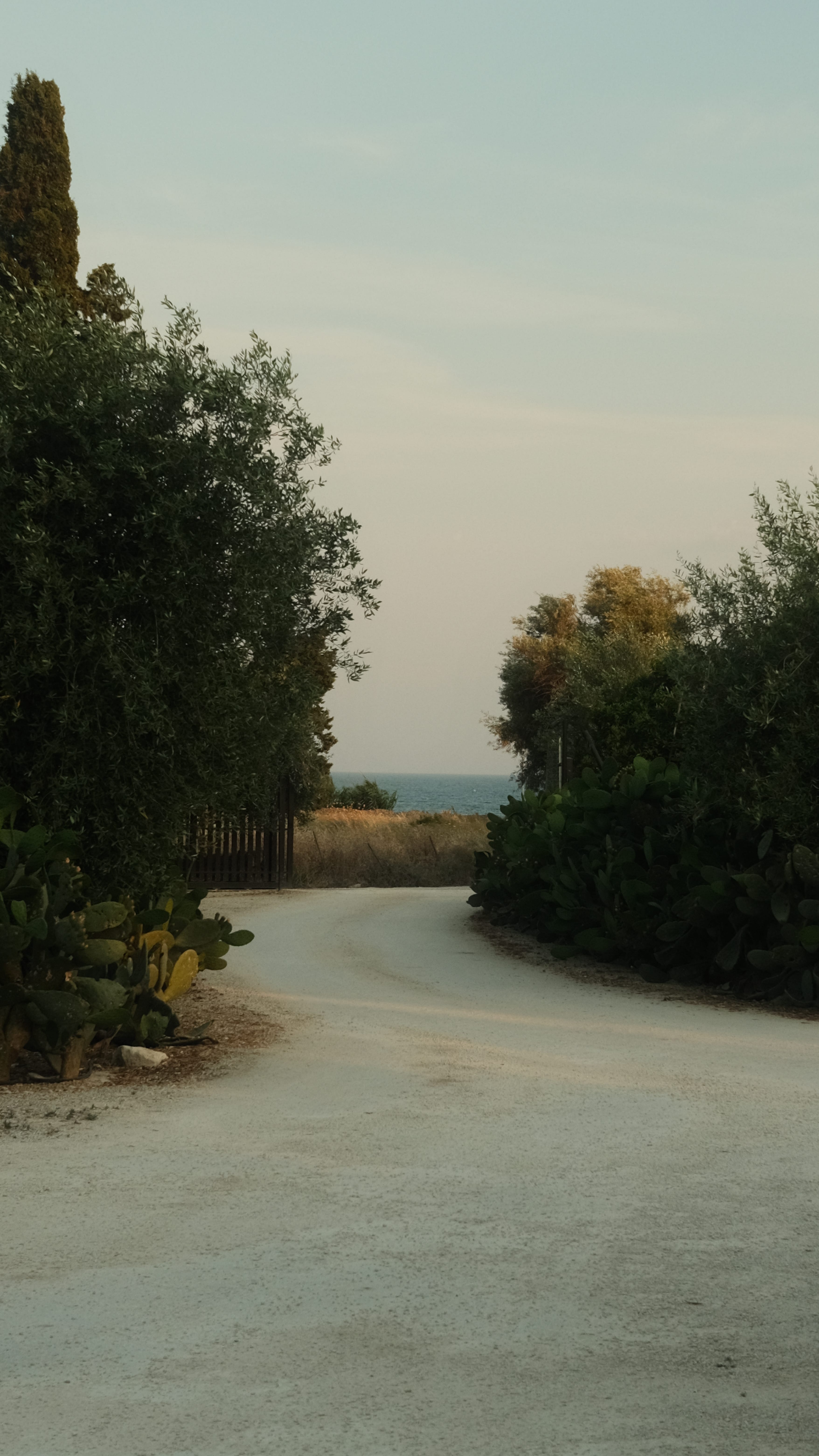
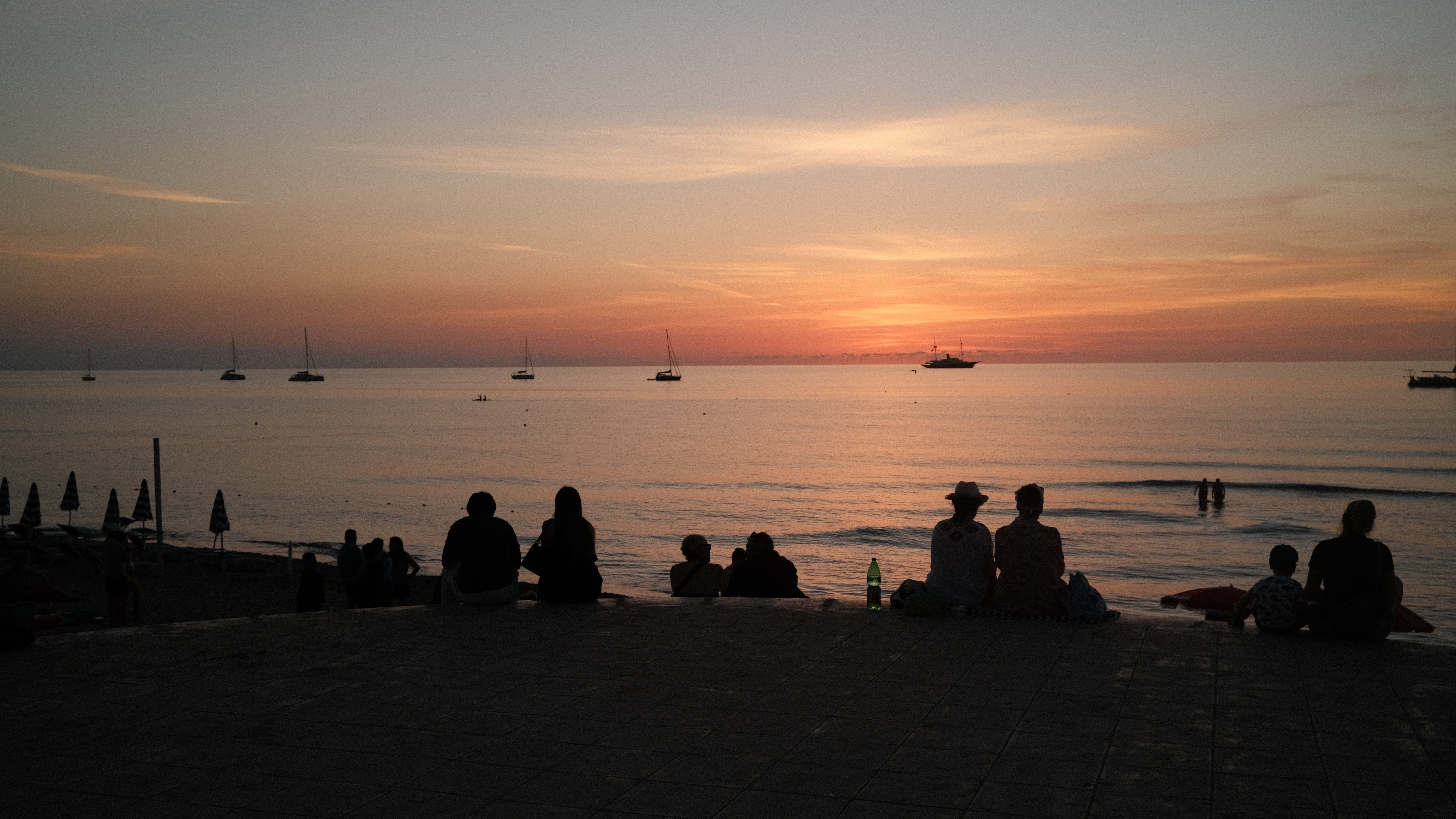
A few more standout shots from this week — Noto, Modica, Etna, and more:
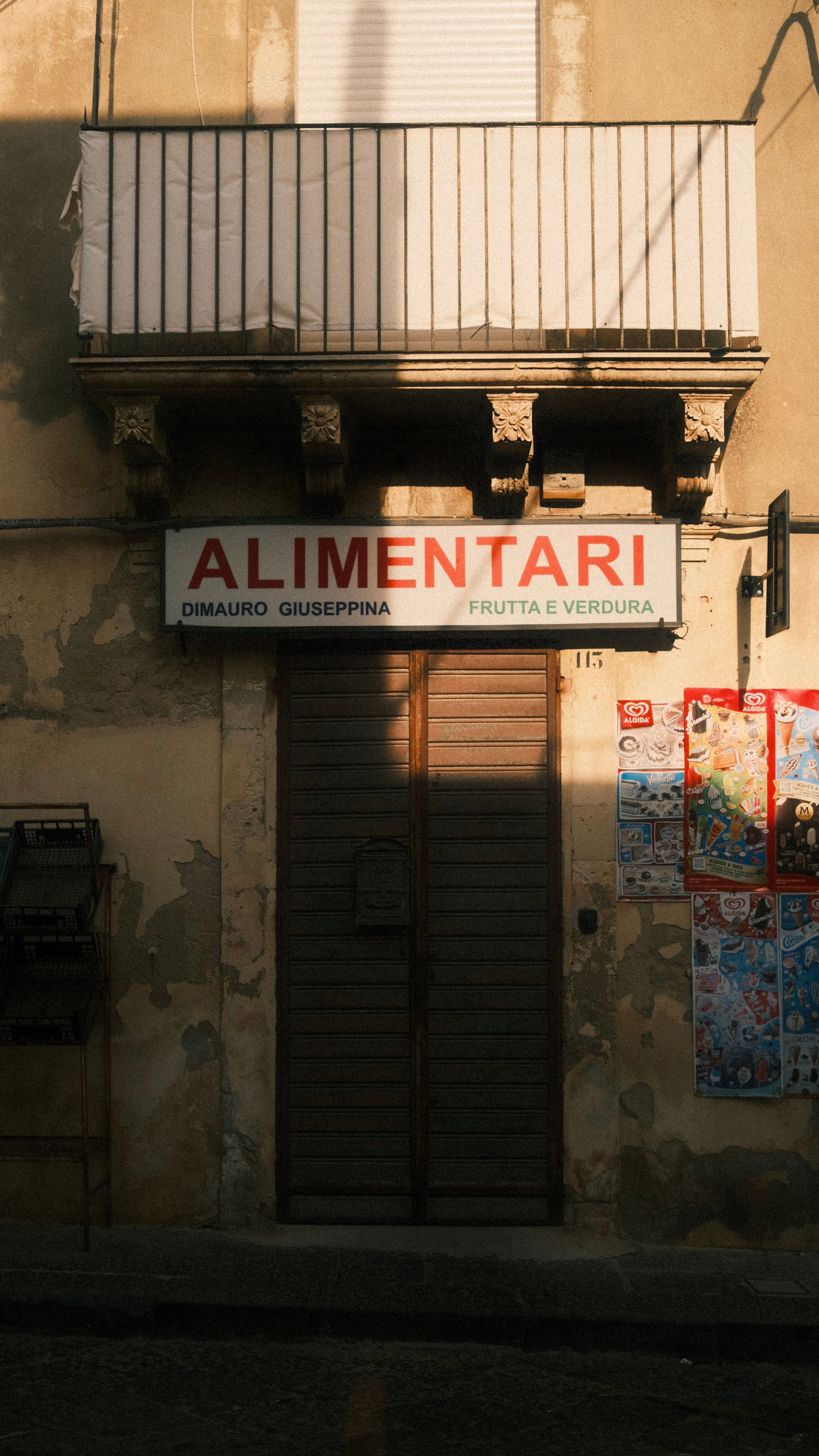
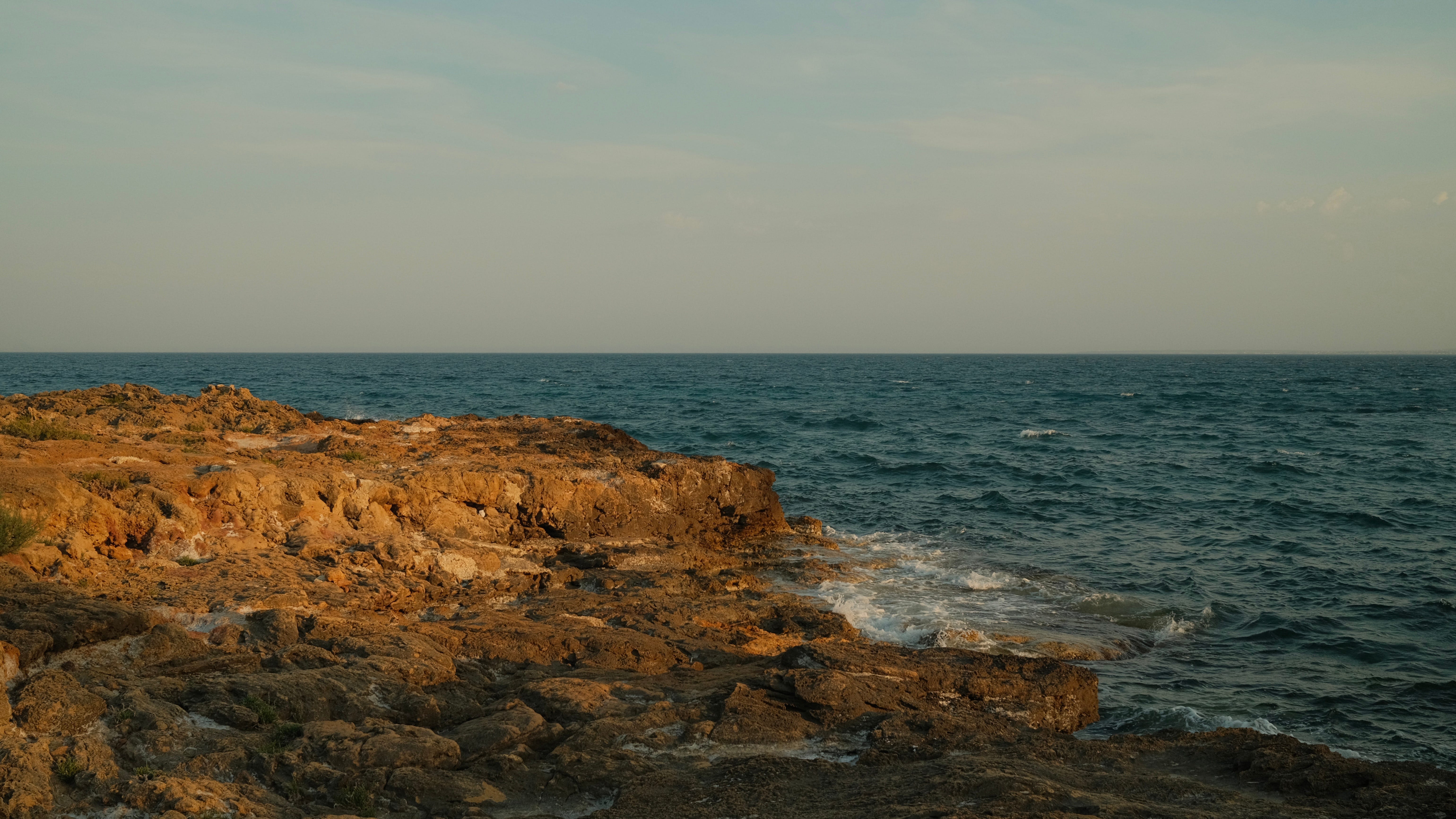
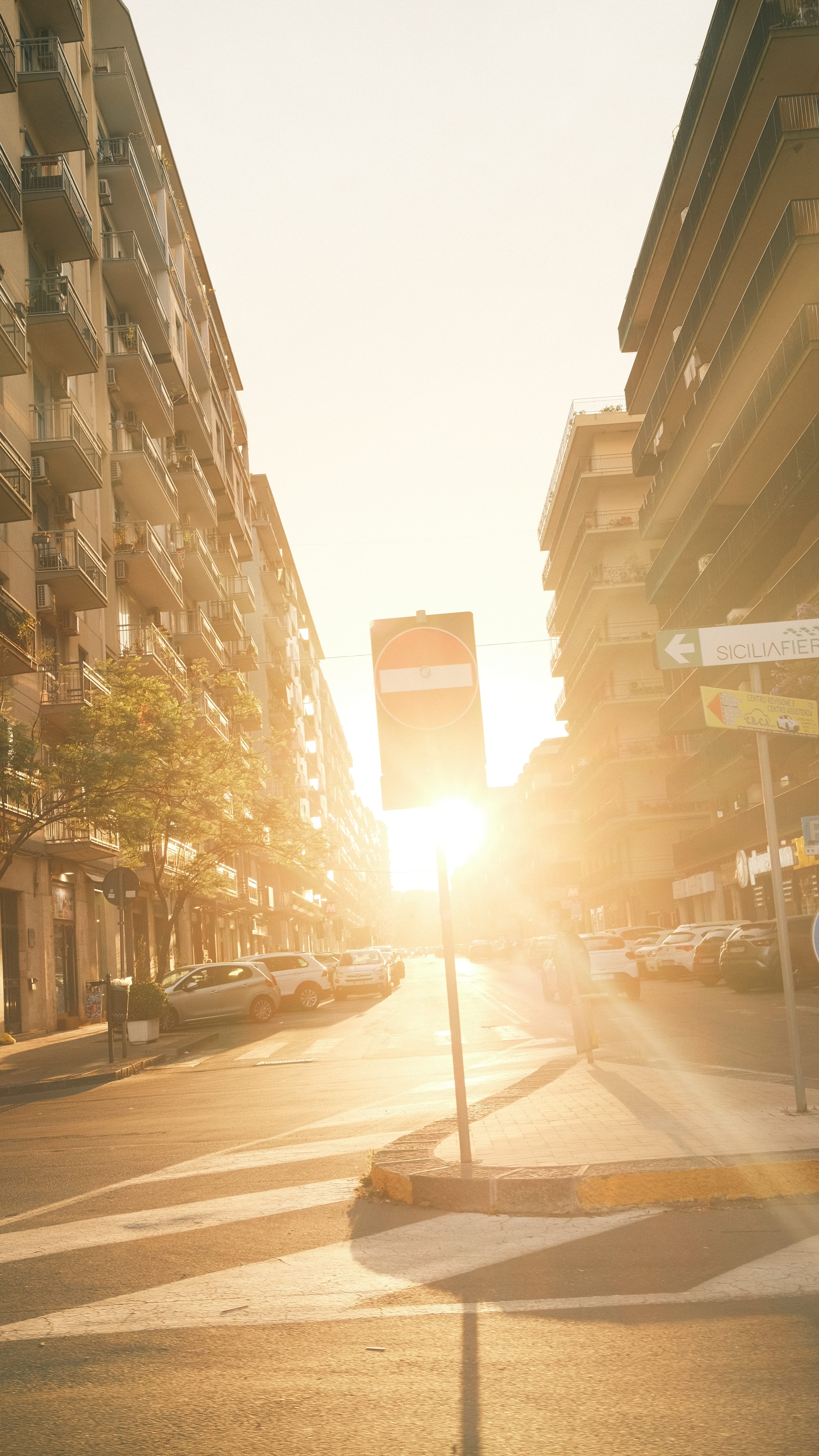
Thanks for being here, thanks for reading. Subscribe for free and get Flood’s delivered regularly. If you feel inclined, consider becoming a paid subscriber and gaining access to the Flood’s Worldwide map with over 900 hits from around the globe.

Real Sicily insiders know you've gotta find a small winery on IG and simply show up at their home
Ragusa is such a neat town—I stayed there when I went to Sicily a few years back and literally lost track of time