

Lucky Charlie
Don't disrespect the pizza parlor


Sophomore year of high school, after hockey practice, my dad and I had a routine: a quick drive from City Sports Center to Detroit’s Eastern Market for a post-skate bite.
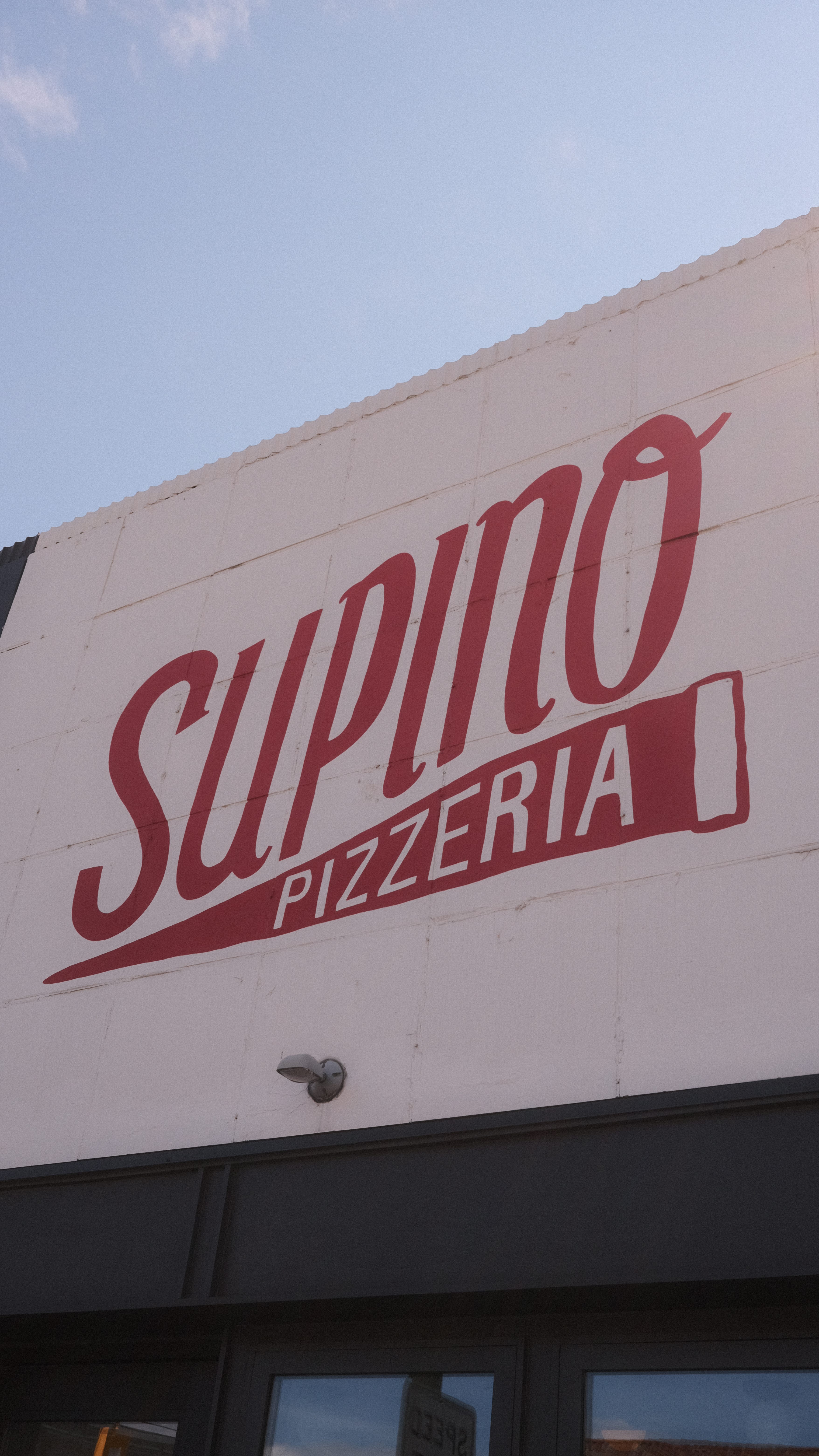
Supino Pizzeria was about two years old at the time, but still felt like a hidden gem with something to prove. We’d order two small pies: usually a San Gennaro, with roasted red peppers and housemade sausage, and a Funghi with smoked gouda and mushrooms. One red pie, one white — to keep things balanced.
At the time, my parents were in the early stages of opening their first restaurant. The concept was just starting to take shape, and my dad was painstakingly focused on mastering a pizza dough recipe to anchor the menu. Nothing else was going to move forward until he did.
After collecting our order from inside the narrow, rustic shop, we’d sit at the wooden picnic tables out front and settle in with our pizzas. Supino’s pies were (and still are) damn good — to my dad, frustratingly good. His recipe was improving with every batch, but still needed tweaks to get it where he wanted it to be.
Before diving in, I’d watch my dad lift and rotate the slices — studying them, inspecting the char, trying to deduce what combination of flour, water, and yeast produced such a crisp-yet-chewy bite on these unmistakably thin pies.
We’d sit in silence for a while — marveling at these brilliant slices — before finally giving in, dipping them in a pool of fiery-orange chili oil, and crushing them in short order.
Pizza was the food I first learned to be discerning about — distinguishing bad from good, and then good from great. My dad’s fixation with doppio zero flour and peak gluten development certainly contributed to this.
Most kids my age subscribed to the “even bad pizza is still pizza” philosophy, paying no mind to amalgamated cheese and radioactive sauce. But at Supino, I had seen the other side. And I wasn’t going back.
Even today, I judge pizza by the standard Supino set: textural contrast, restraint with toppings, the chew of the dough. I’ve had plenty of formative pizza experiences since — the hot/cold sensation of the burrata slice at L’Industrie; the Reggiano-blanketed sourdough crust at Middle Brow. Some pies have been better, some more interesting — but my fascination with great pizza started in that little shop in Detroit.
And it’s what keeps sending me across cities in search of the next great pie.
Lucky Charlie is a pizzeria in Bushwick. An excellent one. And despite the never-ending NYC pizza hype cycle — a deeply underrated one.
It’s a place that, I’m certain, would have blown up and been infiltrated past the point of no return if it weren’t tucked away on a desolate stretch of Bushwick off Myrtle Ave. But I write to you, year 2026, happy to report that Lucky Charlie is still a restaurant you can (and should) get into.
Despite opening just last fall, Lucky Charlie is a place you’d walk past and assume has been there for at least a decade. It’s designed to look and feel timeless, without being tacky or distracting from the reason everyone’s in that room — to eat ripping-hot pizzas coming out of a coal oven.
Coal oven cooking is Lucky Charlie’s modus operandi — and its reason for being. Miraculously, almost unfathomably, they’ve inherited and are using the oldest coal oven in the western hemisphere.
Read that back: The oldest coal oven in the whole damn hemisphere sits in the basement at 254 Irving Ave.
Built in 1890 to bake bread for the neighborhood’s Sicilian immigrants, the 17-by-14-foot medieval-looking monstrosity rips at 600 degrees all night long.
And it’s being put to great use.
On a particularly nasty winter day in New York, I hopped on a bus that must have made at least 100 stops on a hilariously indirect route between Fort Greene and Bushwick.
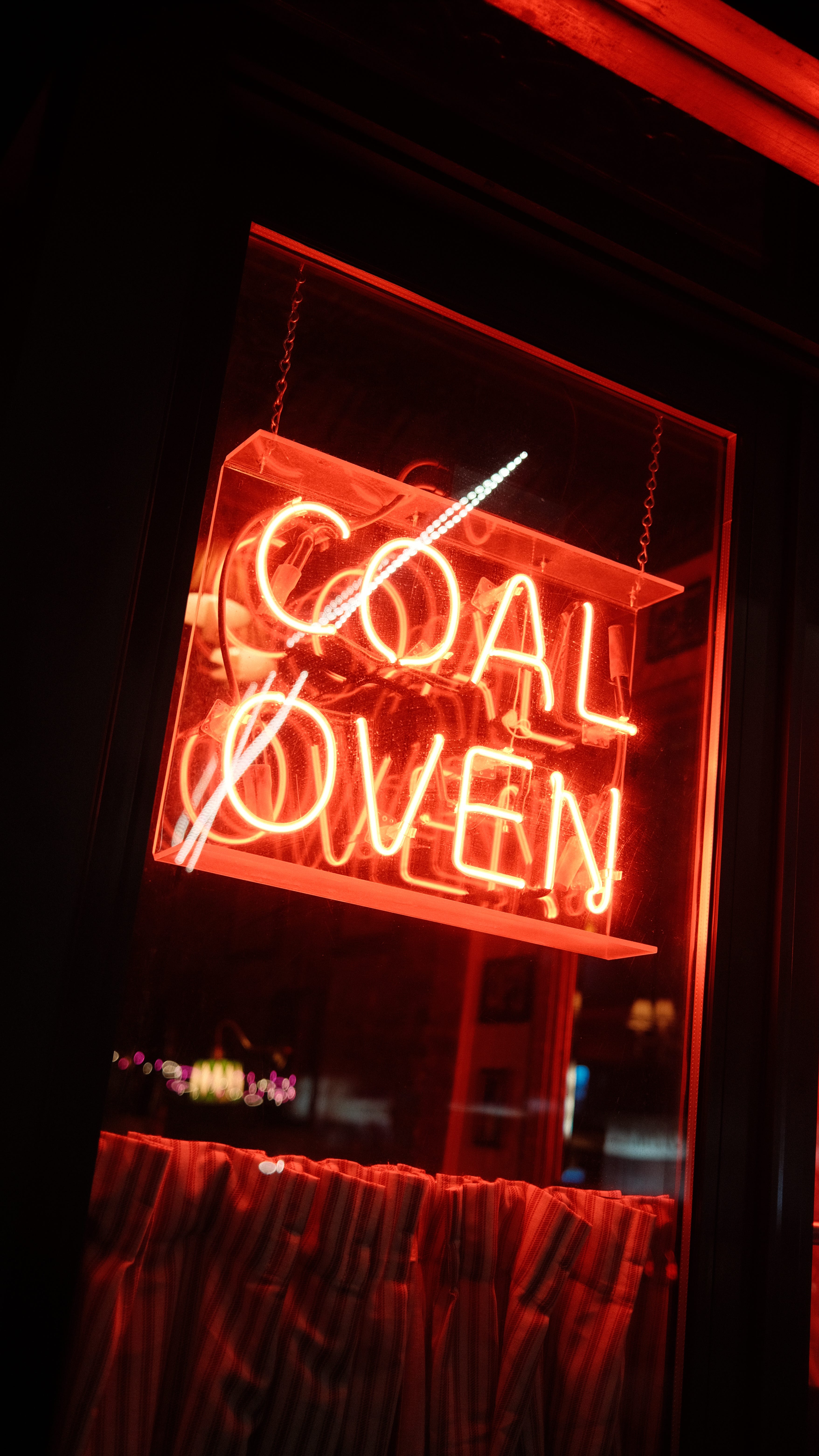
As I stepped off — delirious in the way only an hour of stop-and-go public transit can induce — I was immediately grasped by the smell of El Salvadorian street meats grilling underneath the M train, and the persistent blare of a fire truck struck behind a parked car. A few blocks later, I was face-to-face with Lucky Charlie’s green-and-white striped awning, a neon sign reading “COAL OVEN,” and a neat row of lawn chairs positioned along the exterior wall.
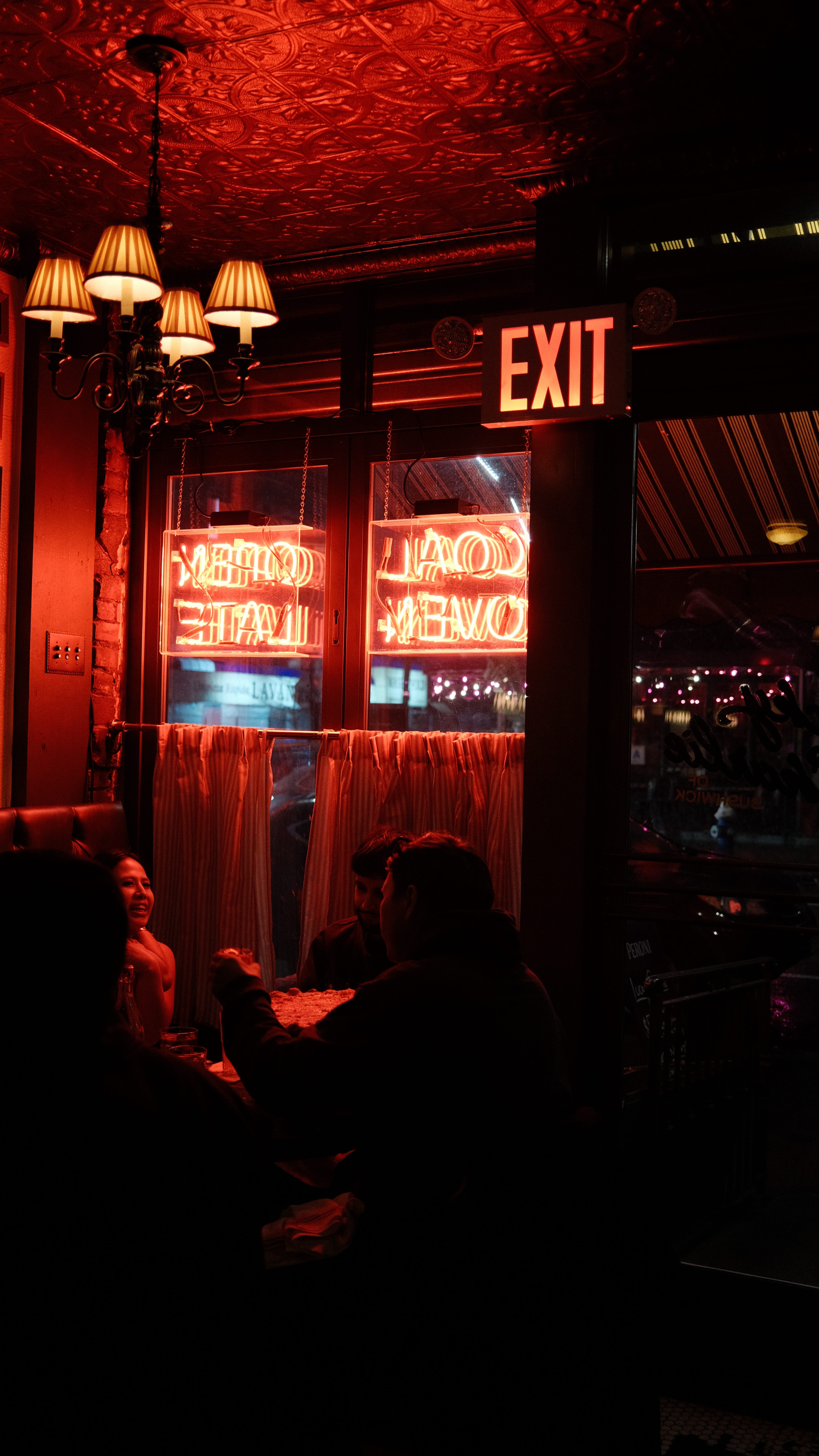
By the time the front door swung open at 5:00 pm, a small crowd had formed outside the restaurant — everyone in a light dusting of sleet, hankering for pies. Some were regulars, visibly worried their neighborhood spot was getting busier. Others, like me, were filled with anticipation about the pizzas to come. Minutes later, we were ushered into the dining room — illuminated by the hazy red neon glow, with the faint smell of charcoal in the air — and suddenly, the journey felt worthwhile.
There are many things I respect about the way Lucky Charlie operates: open ‘til 3:00 am and serving pizza ‘til close; walk-in only, as any respectable pizza parlor should be; High Life ponies are $4, and kept ice cold. But what I respect most is the gregarious character roaming the room donning a leather jacket and dark orange sunglasses, dropping one-liners like “badda bing” and asking with sincerity, “how the hell ya doin’?”
Nino Coniglio is the owner and face of Lucky Charlie. It’s difficult to tell if he’s performing like a Sopranos season 3 extra, or if this is really who he is. Either way, he is a certified pizza-making renegade — boisterous, but deeply committed to the craft. And his presence in that room makes a world of difference.
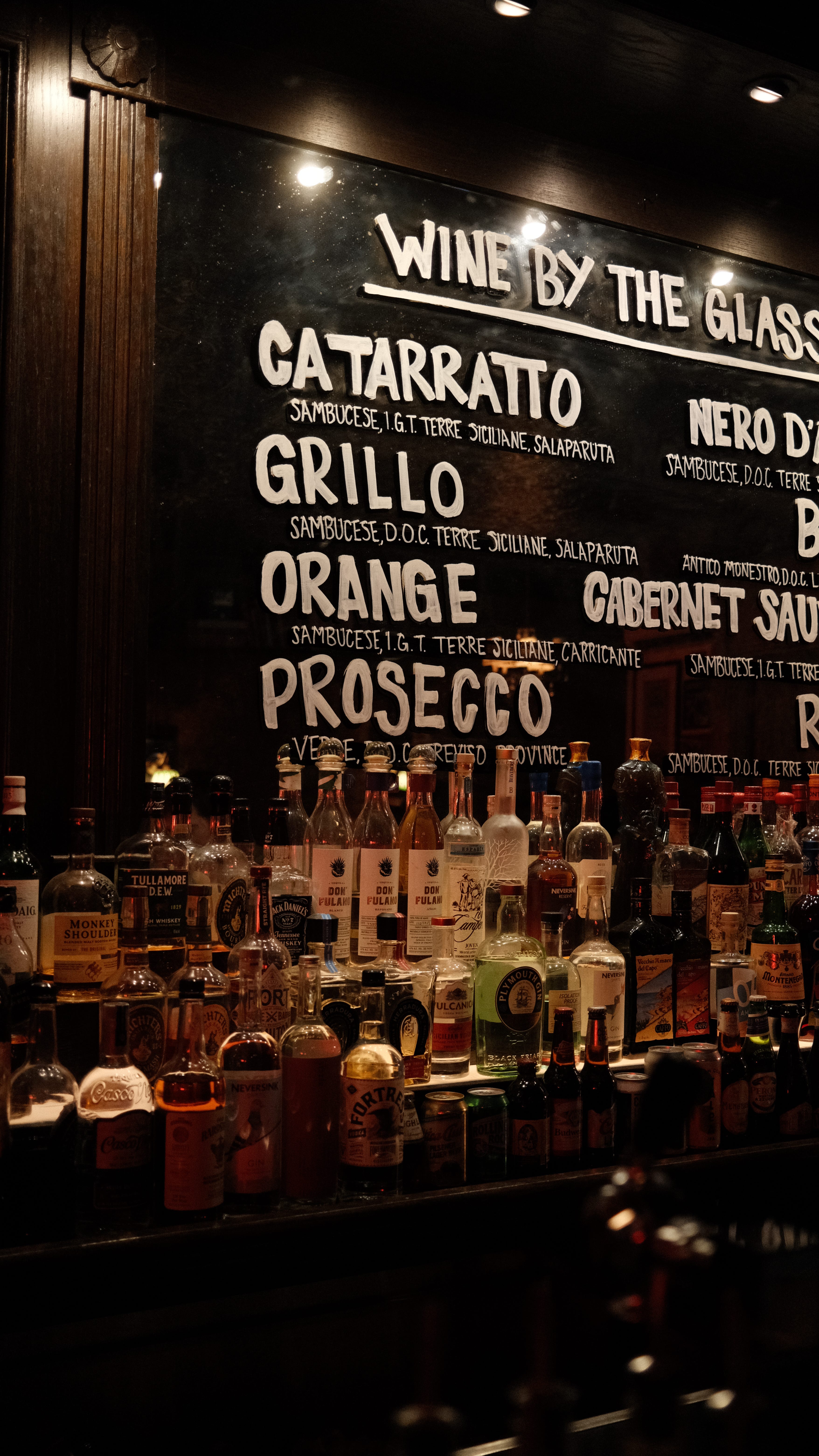
We settled in at the bar and surveyed the menu, which is deeper and more captivating than you’d expect for a neighborhood pizza shop. There’s a roster of Italian-leaning dishes and house specialties that complement the pies: baked pastas, bread service, and grilled seafood — all of which are cooked in the same coal oven.
I’d be remiss not to mention the very good little gem Caesar (not cooked in the coal oven) that we were instructed to “pick up and eat like little Caesar salad tacos.” The handheld salad format, new to me, is something I can get behind. But besides the greens to kick things off, today was all about pies.
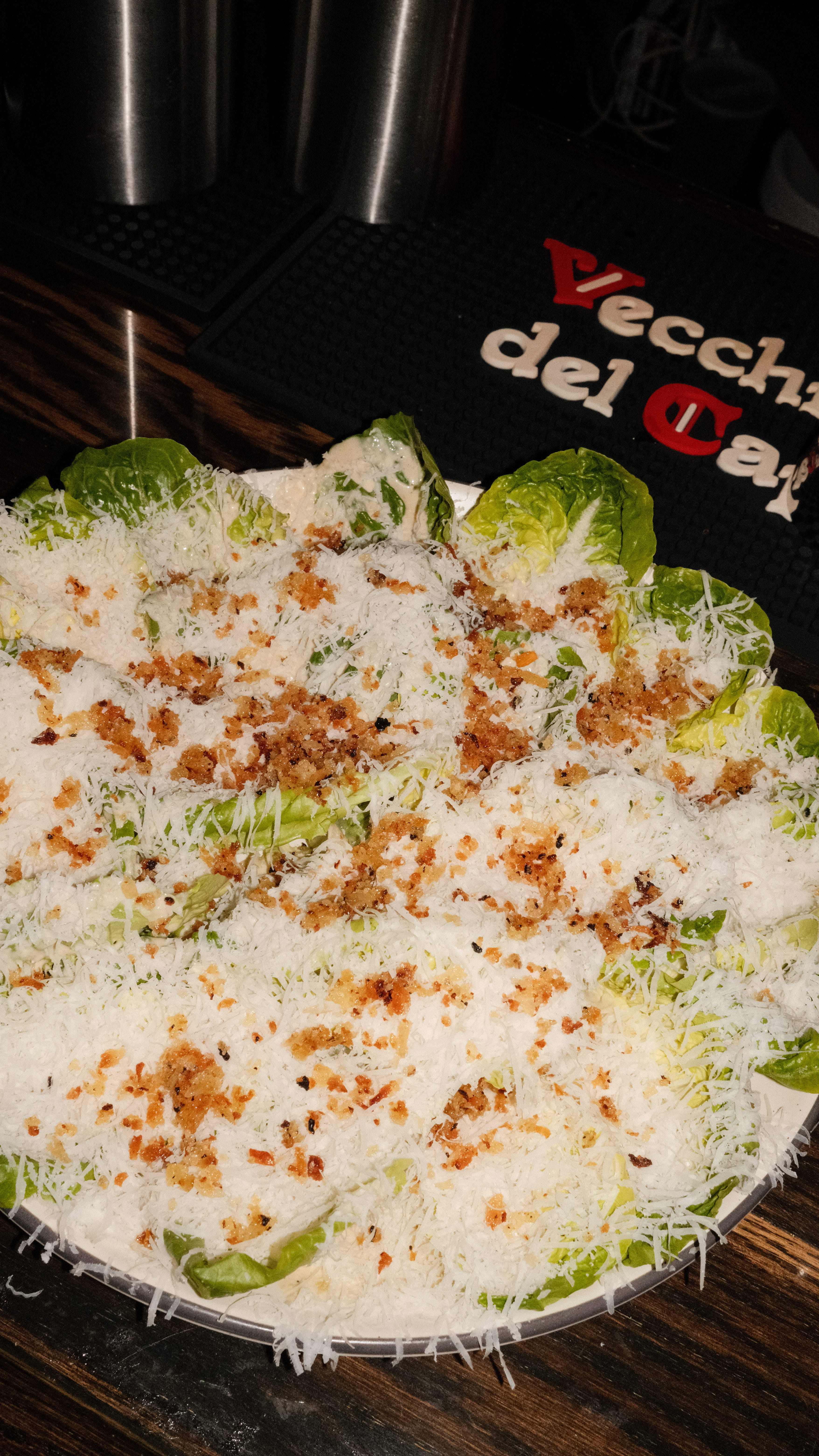
Between three hungry mates sitting at the bar, each of whom had made a bit of a pilgrimage to get to the pizzeria, two pies felt like the mildly aggressive yet appropriate order. There are three simple pizza options at Lucky Charlie — red, white, and classic — and you can top them however you’d like.
As the server emerged from the kitchen and headed our way with a wide metal disk in hand, I sat up a little straighter in anticipation. Every pizza I had ever known and loved flashed before my eyes. I looked on with wonder as the tray was placed on the stand in front of me.
Stylistically, Lucky Charlie’s pizza is unlike anything I’ve had before. It blends elements of New York, New Haven, and Chicago tavern-style into a crunchy, chewy, haphazardly cut, crushable masterpiece.
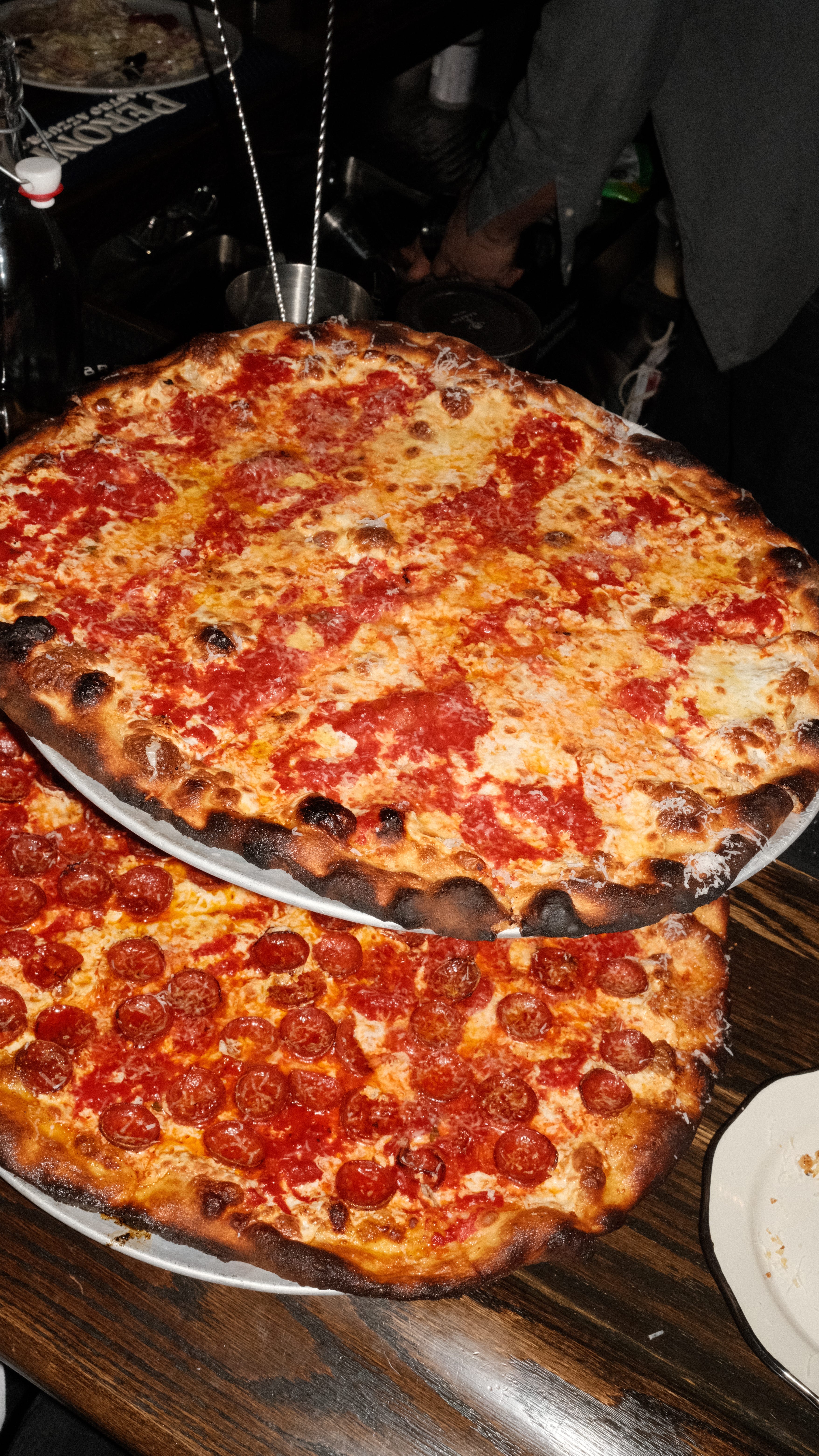
The crust of the pie is miraculous — crisp as hell, flat from edge to edge, and beautifully charred, right on the edge of burnt. As you pick it up, the slice maintains structural integrity — straight as an arrow, with a sharp crack and snap as you fold it.
Calling Lucky Charlie’s classic pie “classic” is technically correct, but massively undersells its brilliance. The classic is composed of rich, nutty Pecorino Sardo, sheets of fresh fior di latte mozzarella, stripes of bright San Marzano tomato sauce, and finished with a grating of 40-month Parmigiano and a healthy drizzle of Sicilian olive oil. Primo in every single way.
There’s nowhere for mediocrity to hide on a pizza this decidedly simple — because you can and will taste the difference. Every ingredient pulls its weight and delivers exactly the taste and texture you’d hope for.
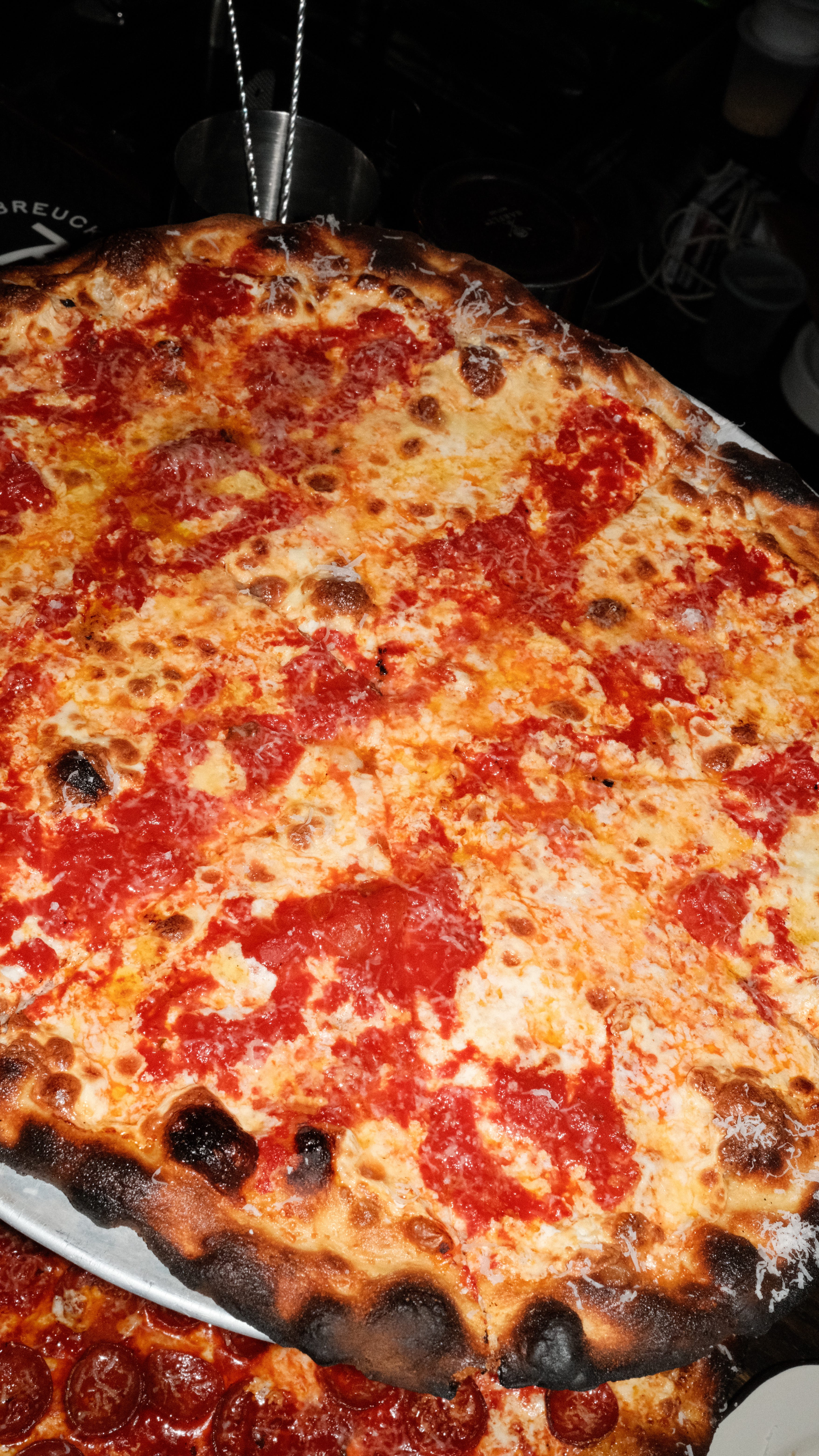
The second pie was a touch more daring: the same classic base doctored up with cup ‘n char pepperonis and fresh Calabrian chili. While not as revelatory as the unadulterated classic, this pizza was still magnificent. A bit greasier, a lot spicier. Something you’d seek out to nurse a hangover, or to watch a post-season football game. It’s heavy enough that the front third of the slice flops. But that crunchy crust prevails, even with the added moisture and heft.
As slices disappeared, a charcoaly residue accumulated on my fingers, a reminder of the oven this pie came out of — not that I could have, or would have forgotten.
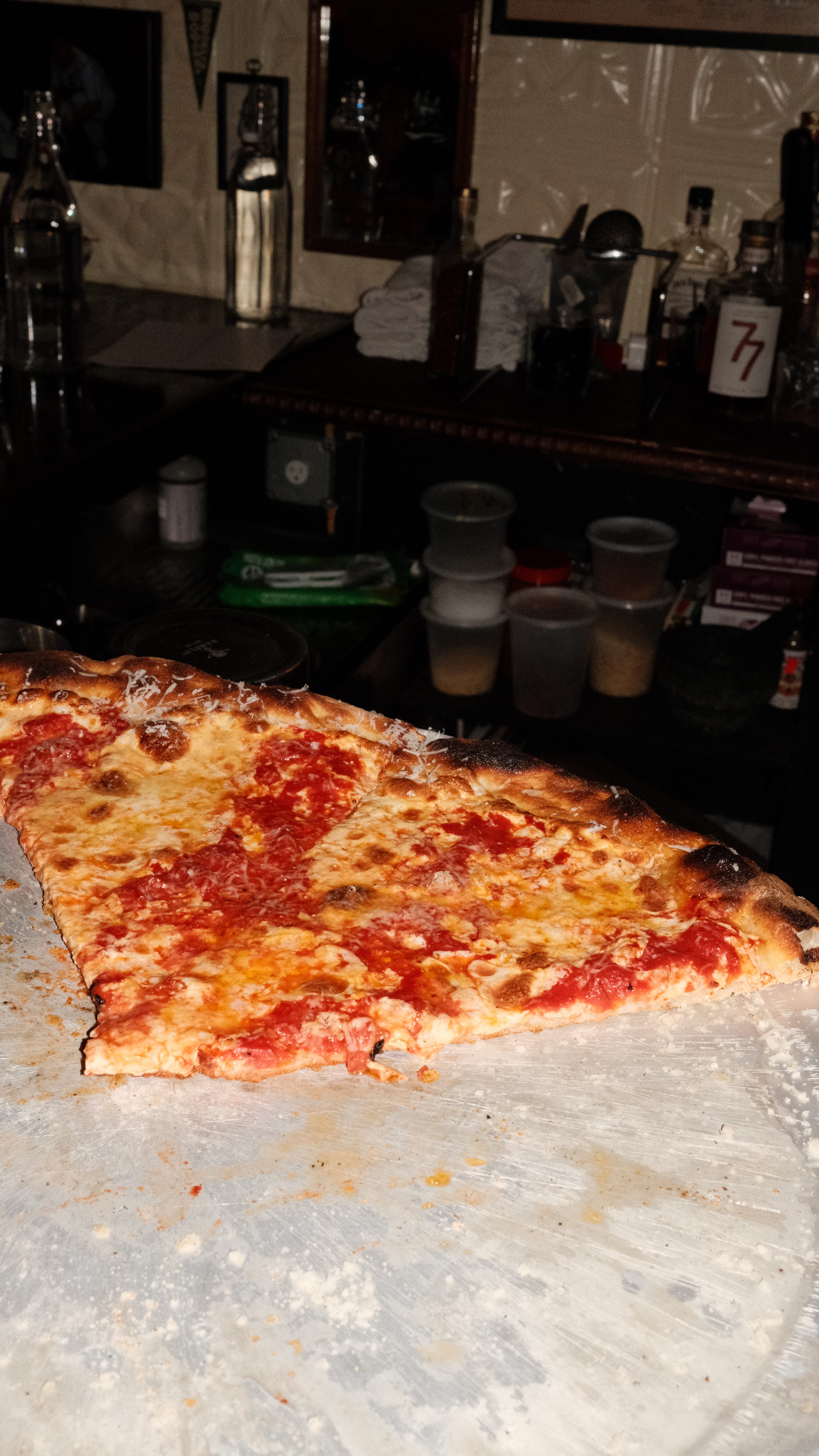
Discernment, when it comes to pizza, isn’t usually focused on anything massive or obvious. Pizza is a fairly fixed template. The difference between good and great isn’t the inclusion of a wild ingredient — it’s the accumulation of micro-decisions. Dough fermentation, balance of toppings, oven times, and temperatures all add up to something major.
But at Lucky Charlie, the pizza being great isn’t a matter of subtleties — it’s greatness that hits you square in the jaw. Hell, you can probably tell it’s a great pizza through the screen.
And its greatness is reinforced by the room — a proper pizza parlor where you can slow down and take it all in.
I’m not going to declare it the best pizza in New York, or pretend to rank pizzas that precisely. But I will say this: it’s the pizza I want to eat the most. Most days, and certainly right now.
What Nino and crew are producing in that coal oven is the kind of pizza you don’t need to overanalyze or compare. It’s pizza that anyone — discerning or not — can sit down and enjoy.
This was a restaurant write-up from Mr. Flood’s Party. Subscribe for free and get Flood’s delivered regularly. If you feel inclined, consider becoming a paid subscriber and supporting the creative process.
Funny thing about how memories are made … never planned but the small moments that leave marks. Glad I was there. Much love.
Huge respect and need to make my way over